One of the easiest ways to overspend—or underspec—industrial flooring is treating the entire building like one environment. In reality, an industrial facility usually has multiple “floor zones” with different traffic, chemical exposure, cleaning routines, and downtime constraints.
That’s why many well-run facilities select industrial floor coatings by zone, not by a single product name.
This guide walks through common facility zones and the performance questions that help determine which coating system fits best. You’ll see epoxy mentioned often because it’s a common industrial baseline—but the goal here is not to push one system. The goal is to help you match performance to conditions.
Before you choose a coating, define:
Then choose systems that align with those realities.

Primary risks: abrasion, turning wear, point loads, impact, joint stress
What to prioritize: wear resistance, strong bond, repair of joints/spalls, traffic planning
Common approach: epoxy-based systems designed for traffic (thickness and topcoat selection matter)
Spec tip: If one bid talks about “epoxy” but doesn’t detail surface prep, repairs, and intended traffic level, it’s not a true comparison.
Primary risks: impact, pallet drag, abrasion, debris, fast traffic, weather at thresholds
What to prioritize: toughness at transitions, cleanability, traction where needed, edge detailing
Common approach: heavy-duty industrial coatings; epoxy is common, but the build and detailing matter

Primary risks: constant movement, dropped tools, scuffs, housekeeping demands
What to prioritize: cleanability, durability, repairability, striping/demarcation
Common approach: epoxy systems are commonly used; topcoat and traction strategy are selected per workflow
Primary risks: oils, lubricants, solvents, messy work, stains, slip risk
What to prioritize: chemical resistance, easy cleanup, traction in oily zones
Common approach: chemical-resistant epoxy systems are frequently considered, sometimes paired with topcoats engineered for cleaning and spill exposure
Primary risks: chemical attack, staining, surface breakdown, risk management
What to prioritize: chemical resistance matched to actual substances, detailing at edges/containment
Common approach: chemical-resistant coatings; selection depends on what hits the floor and how often
Spec tip: “Chemical resistant” must mean resistant to your chemicals—not just a generic label.
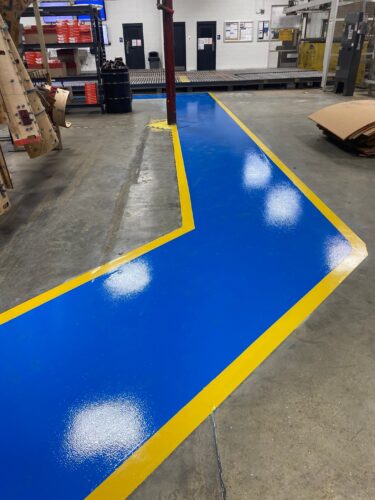
Primary risks: moisture, frequent cleaning, thermal cycling, traction needs
What to prioritize: wet-environment performance, traction/cleanability balance, transitions/drains
Common approach: many facilities consider urethane cement or other wet-environment systems here; some epoxy systems may work in certain conditions depending on process and selection
Primary risks: slips, confusion, traffic mixing, ongoing wear
What to prioritize: safer traction where needed, striping and flow, cleanability
Common approach: epoxy systems with zone-specific traction and clear demarcation
Primary risks: static discharge affecting products or processes
What to prioritize: verified ESD performance requirements, maintenance requirements, cleanability
Common approach: specialized ESD/conductive flooring systems (often resin-based systems engineered for static dissipation)
Primary risks: joint failure, spalling, delamination starting at weak spots
What to prioritize: repair scope before coating, correct prep profile, realistic sequencing
Common approach: joint repair/rebuild and substrate correction before installing any coating system
This is where many coating projects succeed or fail: if the concrete isn’t repaired and prepped correctly, the best coating won’t last.
Many facilities standardize on a simple decision rule:

If you want a clear zone plan, a floor evaluation helps you define:
If you’d like help building a zone-based coating plan without guesswork, Industrial Applications can review your facility flooring conditions and recommend systems by zone.
Contact: https://www.iasolutions.com/contact/
Free evaluation: https://www.iasolutions.com/free-in-depth-evaluation/